
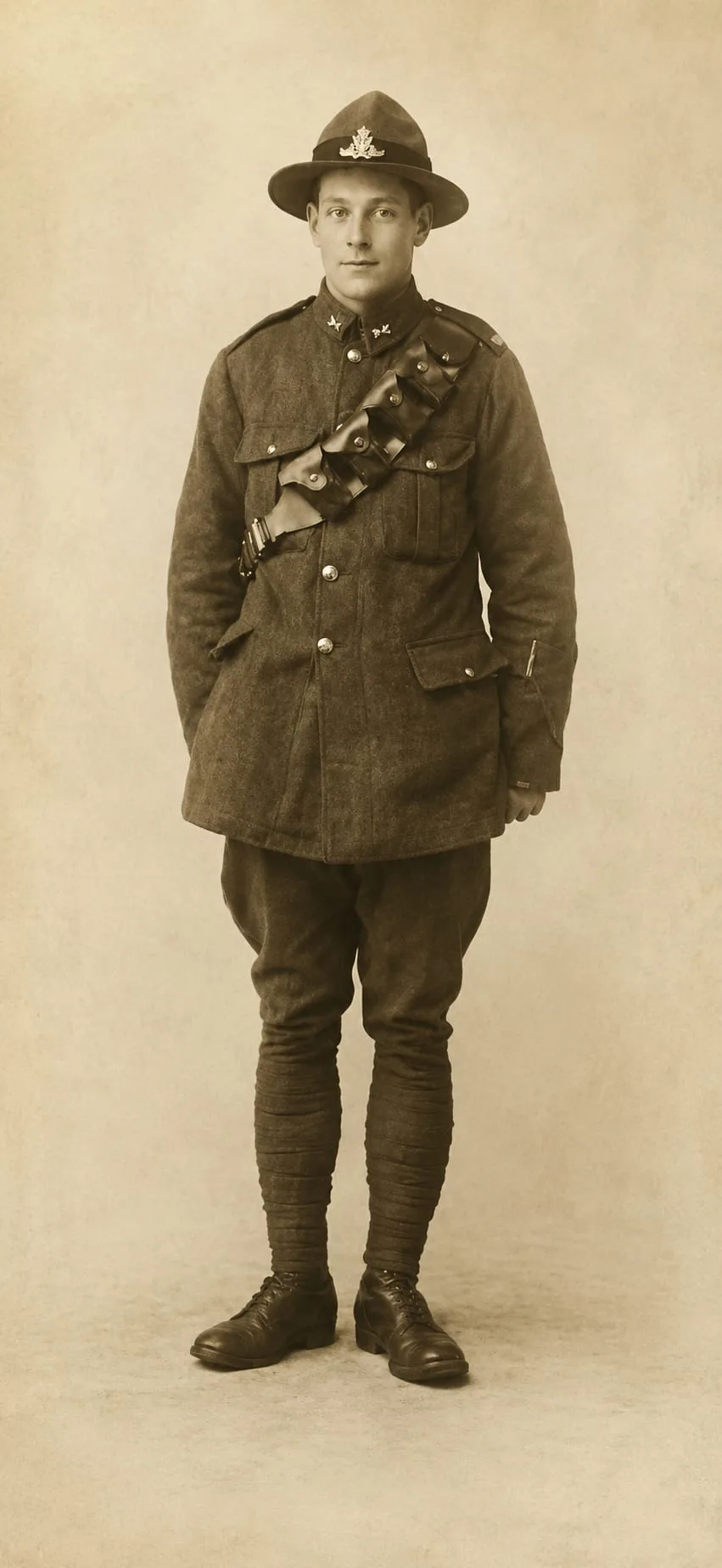
Among the roughly 27,000 New Zealand soldiers treated at Mount Felix during the First World War was Gunner Arthur White, wounded on the Western Front and shipped to Walton-on-Thames to recover. His story survives today thanks to his grandson, Kevin Murphy.
From Leicester to New Zealand
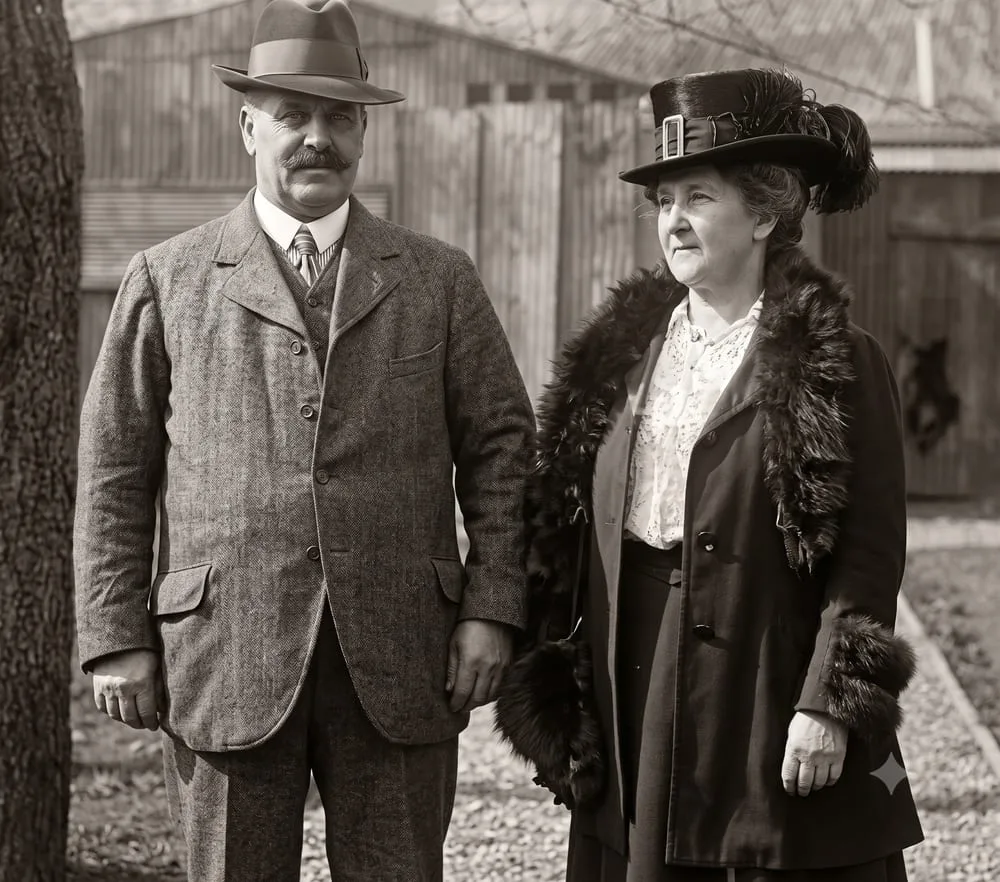
Arthur was born in Leicester, England, on 25 August 1888, the son of Charles Taylor White and Annie Sarah (Leedham) White. In December 1912 he left England for New Zealand with his mother and sister, Hilda Florence White, sailing from Tilbury Dock aboard the RMS Remuera, a New Zealand Shipping Company liner under Captain Greenstreet. They arrived in Wellington on 3 February 1913.
War service and Mount Felix
In April 1916 Arthur returned to England, escorting his mother home aboard the Rimutaka, and on 28 June 1916 he joined the New Zealand Expeditionary Force at Hornchurch in Essex, then home to the NZEF’s depot at Grey Towers. After only three weeks of training he was sent to France as a Gunner with the 4th Howitzer Battery. He later worked as a cook in the sergeants’ mess and, having passed a cook’s examination, drew a Bombardier’s pay without holding the rank itself, a discrepancy he apparently never minded, being simply glad of the extra money.
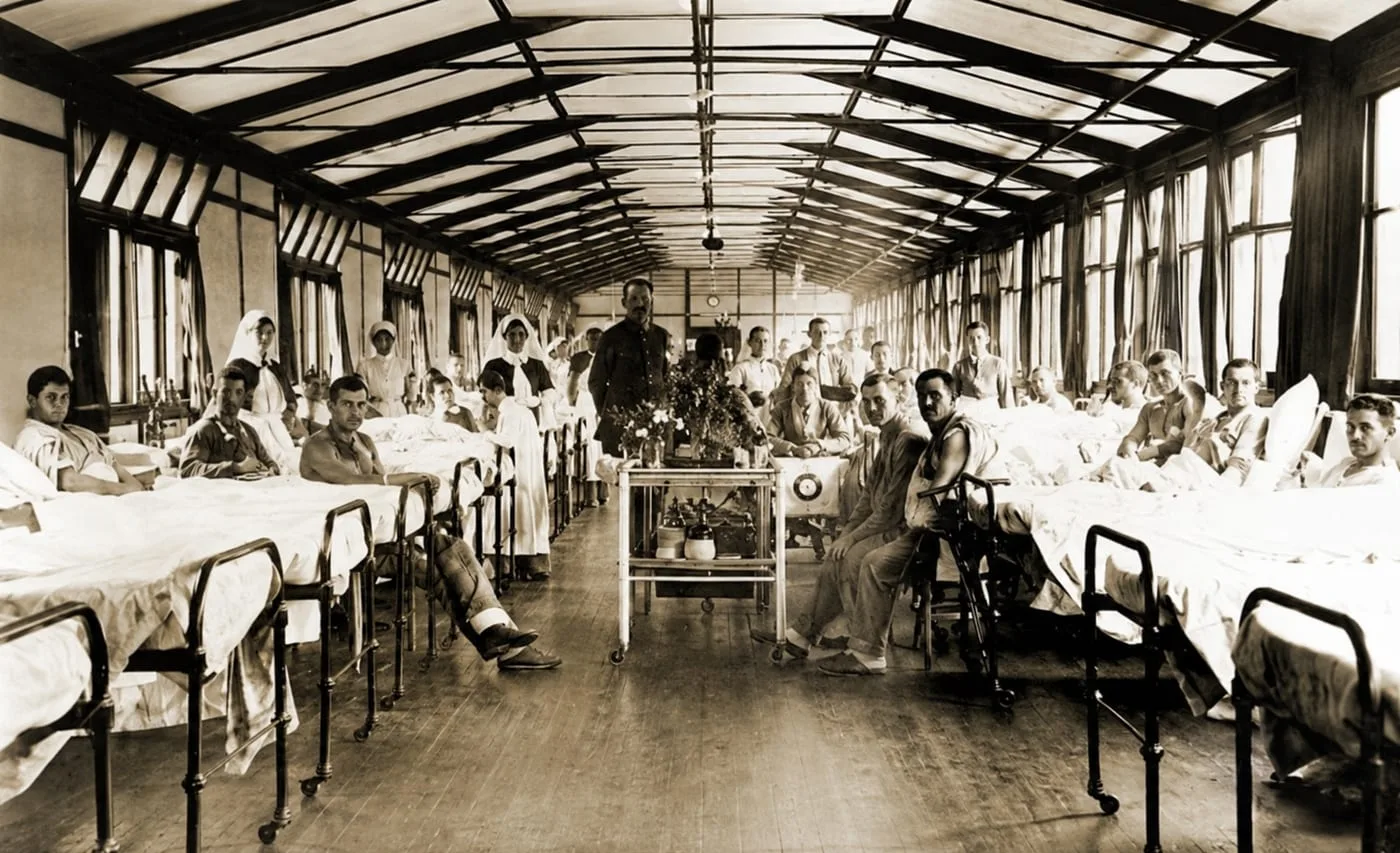
Around 10 October 1917, while working in the cookhouse, Arthur was wounded in the thigh by an exploding German artillery shell. The wound turned septic, and he was evacuated to England and admitted to No. 2 New Zealand General Hospital at Mount Felix, Walton-on-Thames, where he underwent three operations before recovering. Once fit again, he returned to active service with the 6th Howitzer Battery, this time as a driver bringing shells up to the guns.
A wartime memory
Arthur lost most of his wartime souvenirs in the explosion that wounded him, but not his memories. One story he told his family concerned a fellow soldier who suddenly urged him to leave a dugout at once. Both men jumped clear moments before a German shell landed exactly where they had been sheltering. When Arthur later asked how his friend had known, the man said he hadn’t known anything. He had simply heard a voice telling him to get out.
Marriage and the journey home
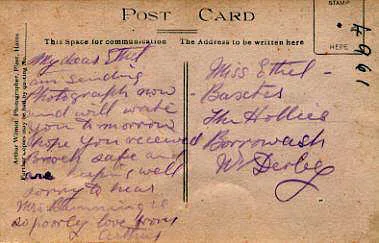
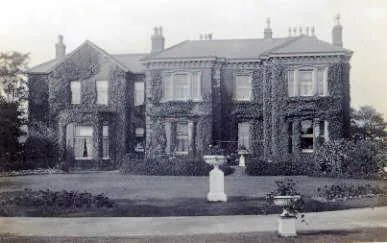
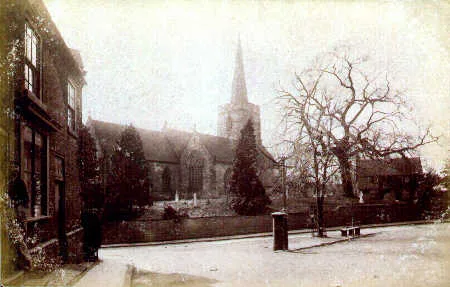
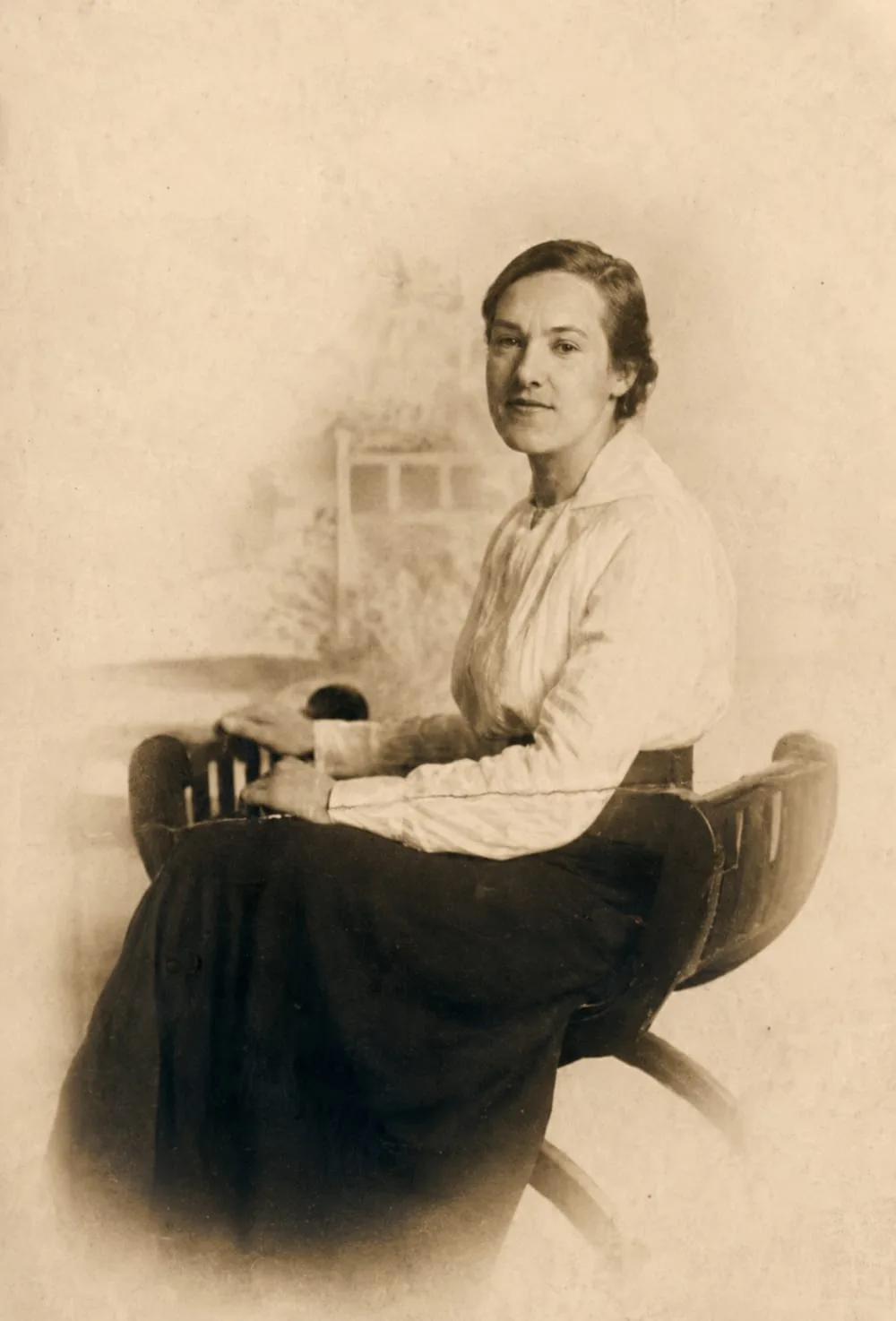
Ethel Baxter was born at Coton in the Elms, Derbyshire, on 16 April 1888. While still serving with the Expeditionary Force, Arthur married her at St Werburgh’s Church, Spondon, Derbyshire, on 24 February 1919. The two had met through Arthur’s aunt, Mary Leedham, who worked as a cook for the Bunning family at The Hollies, Borrowash, where Ethel was employed as a maid, and the couple had corresponded throughout the war.
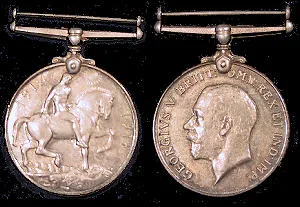
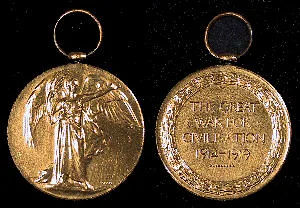
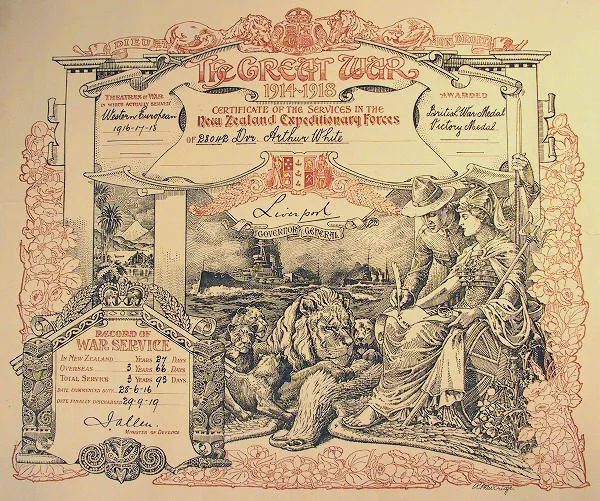
Arthur and Ethel left England from Plymouth aboard the troopship RMS Athenic on 15 July 1919, returning to Wellington. Arthur was formally discharged from the New Zealand Expeditionary Force on 29 September 1919, having completed three years and 93 days of active service, and was awarded the British War Medal and the Victory Medal.
Life in New Zealand
Arthur and Ethel had two children, Doris Mary and Leslie Arthur. Arthur joined the New Zealand Police Force in Auckland on 19 December 1919, serving over the course of his career at Auckland, Newmarket, Thames, Papakura, Whitianga and Mount Roskill, before retiring on 16 January 1949. He and Ethel then retired to Cockle Bay, a seaside suburb of Auckland, where Arthur died on 10 July 1952.
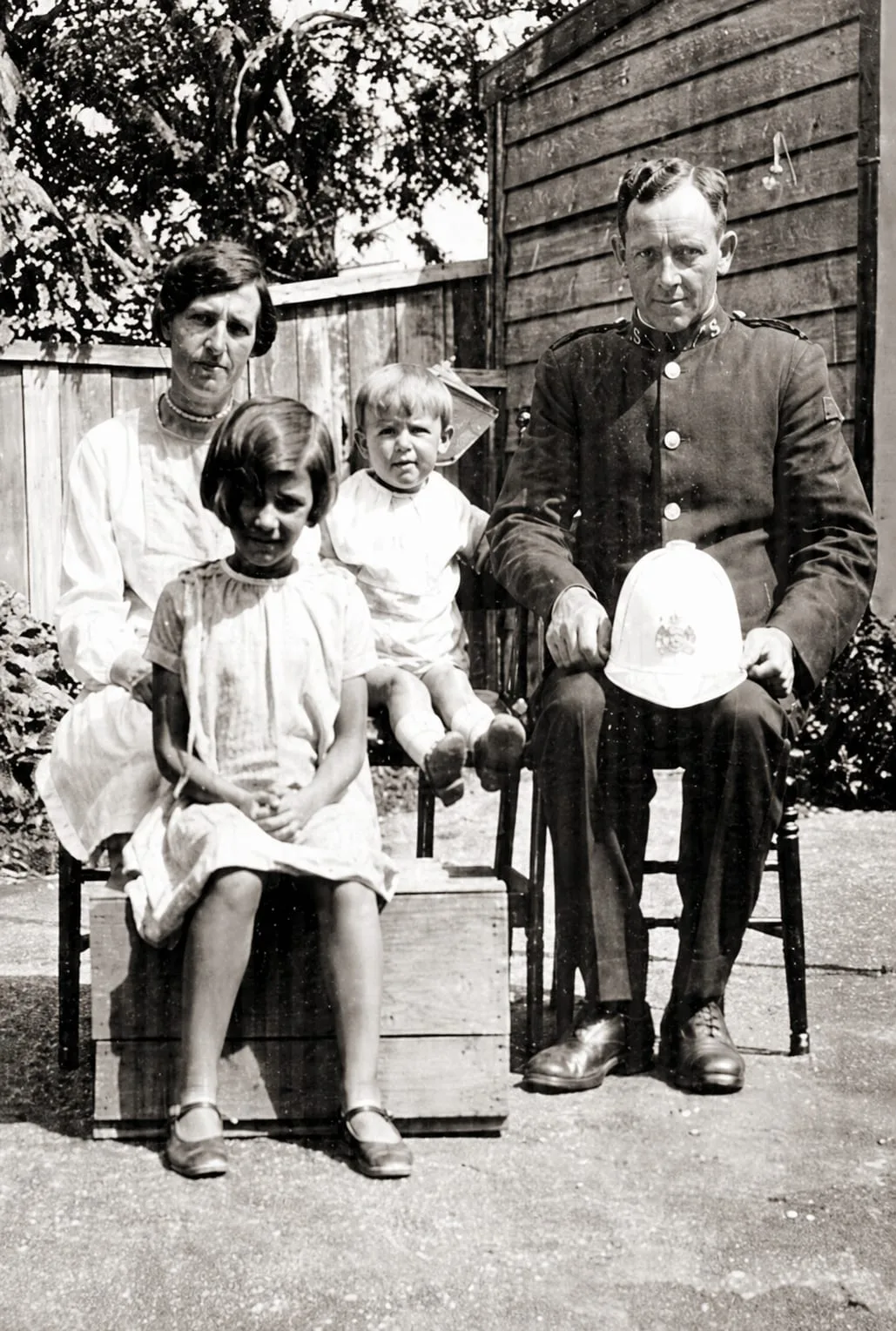
This account was contributed by Kevin Murphy, Arthur’s grandson, and is one of a series of soldiers’ stories connected to Mount Felix that we will be adding over time. If you would like to get in touch with the contributor, contact details are available on request via our contact page.
Sources
- Wikipedia (n.d.) 'No. 2 New Zealand General Hospital'. Available at: https://en.wikipedia.org/wiki/No._2_New_Zealand_General_Hospital ↗ (Accessed: 11 July 2026).
- Wikipedia (n.d.) 'Grey Towers (Hornchurch NZEF depot)'. Available at: https://en.wikipedia.org/wiki/Grey_Towers ↗ (Accessed: 11 July 2026).
- Remuera Heritage (n.d.) 'RMS Remuera'. Available at: https://remueraheritage.org.nz/story/rms-remuera/ ↗ (Accessed: 11 July 2026).